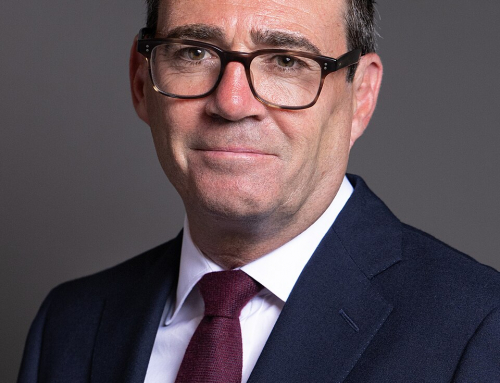
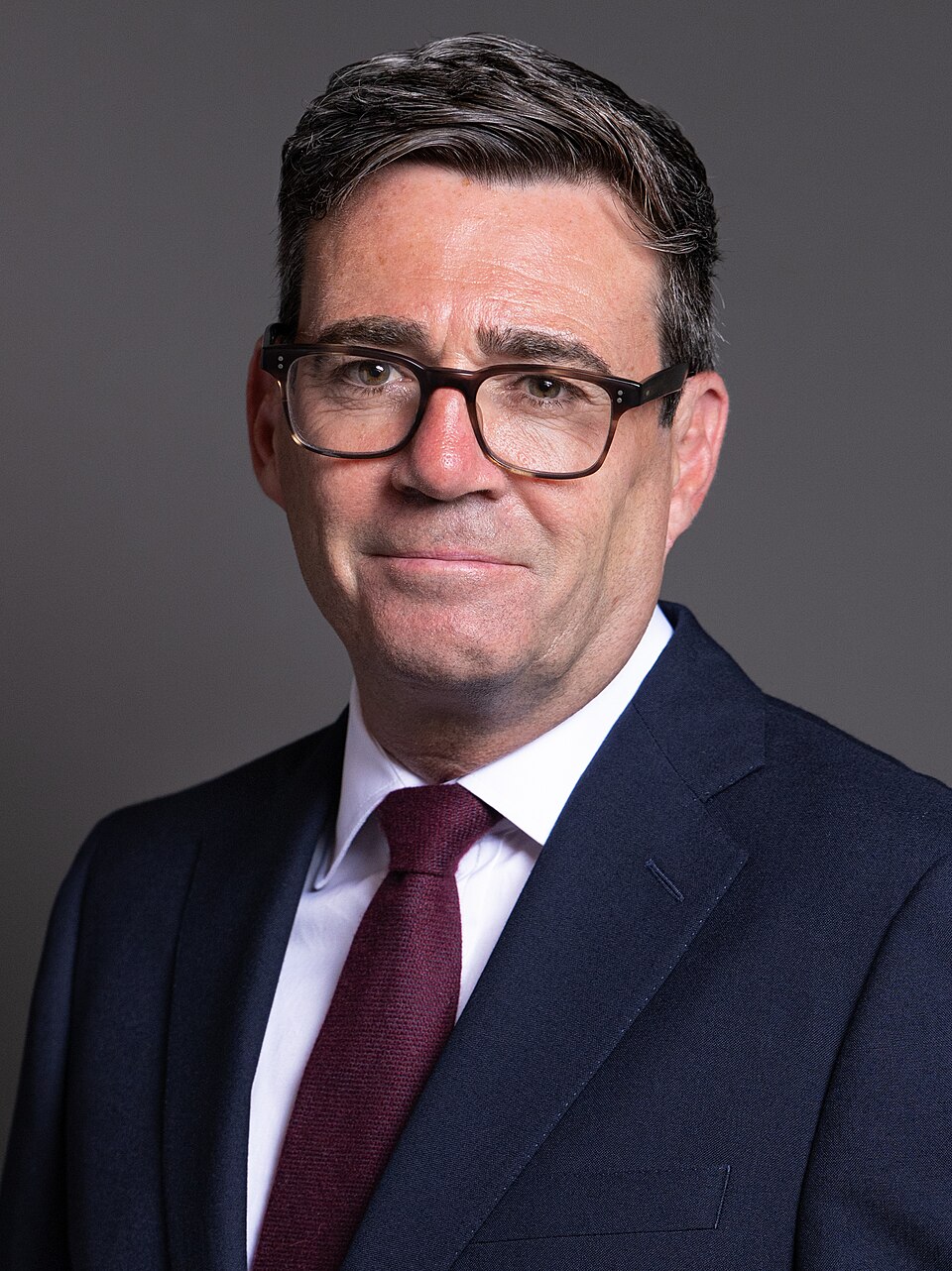
Prime Minister Andy Burnham has unveiled a major overhaul of England’s education system designed to elevate technical and vocational learning to equal standing with traditional academic routes.
Comprehensive Future believes the reforms could represent an important opportunity to strengthen fair and inclusive education — but only if they are implemented in a way that benefits pupils in every part of England, including selective areas.
CF Chair, Dr Nuala Burgess, said, “Comprehensive Future welcomes Andy Burnham’s plans for education and is encouraged by his commitment to strengthening technical pathways from the age of 14. As a long-standing advocate of a comprehensive system, we believe his ambition to give equal status to academic and technical routes is both right and achievable.
“But real parity of esteem will only come through a genuinely inclusive system where every child’s subject choices and chosen pathways are valued equally. That means comprehensive schools at the heart of every community, where pupils learn together for longer, rather than being separated at 11 into different types of schools.
“If these reforms are to succeed, they must apply everywhere, including areas with grammar schools. Andy Burnham has been clear and consistent in his opposition to selection in the past. We urge the government to match that commitment with action and to start looking at how the PM’s vision can bring about a fully comprehensive education system.”
CF notes that Andy Burnham’s model of technical and academic subjects sitting side by side with equal parity works as intended where children haven’t already been divided by academic selection years earlier. In the parts of England that still select at 11, introducing a technical pathway at 14 risks something different: formalising a split that began with the 11-plus, and recreating a system uncomfortably close to the old grammar schools and secondary moderns. Pupils who didn’t pass the 11-plus could find themselves steered toward “vocational” routes at 14 — not because of their aptitude, but because of a test they sat three years earlier.
If technical education is to carry real parity of esteem, as the Prime Minister rightly wants, it cannot be designed only with comprehensive areas in mind. As these reforms are developed, we urge the government to look specifically at how they will work — or won’t — in selective areas, to ensure greater local flexibility expands opportunities for all pupils rather than reinforcing the divisions that already exist there.
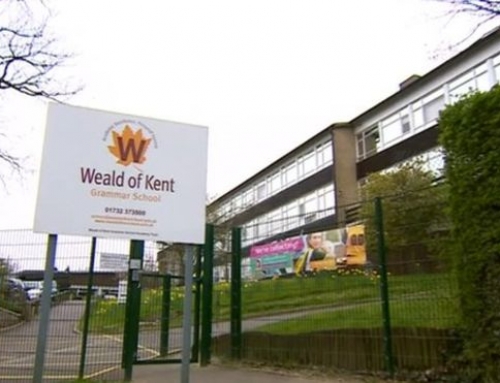
The government has framed these reforms partly as a move toward greater local autonomy — but that autonomy cuts both ways. Kent and Lincolnshire, two of England’s last three fully selective counties, are both now run by Reform UK following the party’s county council wins in May 2025. Kent County Council has already moved to expand, not reduce, grammar school places. In Lincolnshire, Greater Lincolnshire Mayor Dame Andrea Jenkyns said in December 2024 that she would “always stand up for grammar schools” and framed selection as a matter of parental choice. There is little in the current proposals to stop councils like these building the new technical pathway around the existing 11-plus divide, rather than instead of it. If devolved decision-making is to deliver a fairer system, ministers need a plan for areas where local leaders are more likely to entrench selection than dismantle it.