 The i newspaper reports that Reform UK is considering lifting the ban on new grammar schools if Nigel Farage becomes Prime Minister.
The creation of new selective schools has been banned since 1998, although existing grammar schools have been quietly expanding in recent years. According to the report, a Reform government could allow new grammars to open through the free school programme.
The article cites strong support for selection within the party, with Nigel Farage previously arguing that grammar schools offer children from “modest means” a route to compete with privately educated pupils. Senior Reform figures including Suella Braverman and Robert Jenrick have also spoken in favour of expanding grammars in the past. Comprehensve Future’s own research shows that many senior figures within Reform have spoken in favour of grammar schools.
The debate about selection is therefore likely to return to the political agenda.
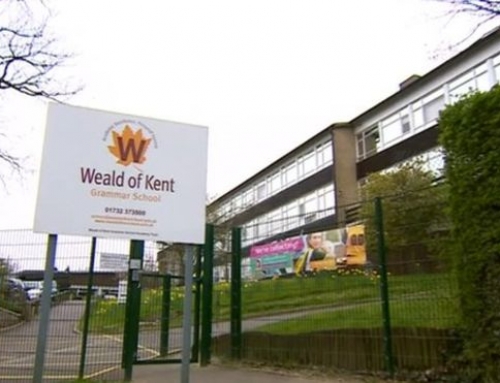
But the idea that grammar schools are a modern solution to educational inequality is hard to justify. England already has large selective areas such as Kent, Buckinghamshire and Lincolnshire, where children still sit the 11-plus exam at age 10 or 11. Research consistently shows that selective systems have poor results, increase tutoring pressure, widen gaps between schools and leave many children labelled as “not academic” before they have even started secondary school.
Expanding selection would be a return to a system most of England moved away from decades ago. Surely the real challenge for education policy today is raising standards for all children, not sorting them into winners and losers at age eleven.