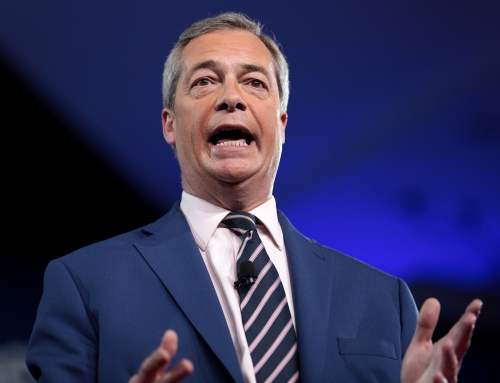
On 17 February 2026, Nigel Farage announced Reform UK’s new “shadow cabinet,” appointing Suella Braverman as spokesperson for Education, Skills and Equalities.
Reform’s formal position on grammar schools remains unclear. The party’s 2024 manifesto made no reference to academic selection. When we asked Kent County Council’s Reform leader to clarify the party’s stance on the 11-plus, no response was received.
Yet as Reform rises in national polling, and gains ground in selective counties such as Kent and Lincolnshire, their likely direction of travel on education deserves scrutiny.
While a formal policy may not yet exist, the signals are strong.
A long record of support for grammar schools
Nigel Farage has for many years expressed support for academic selection. In 2014 he said he would like to see a grammar school in every town, describing grammars as “the best thing for social mobility.”
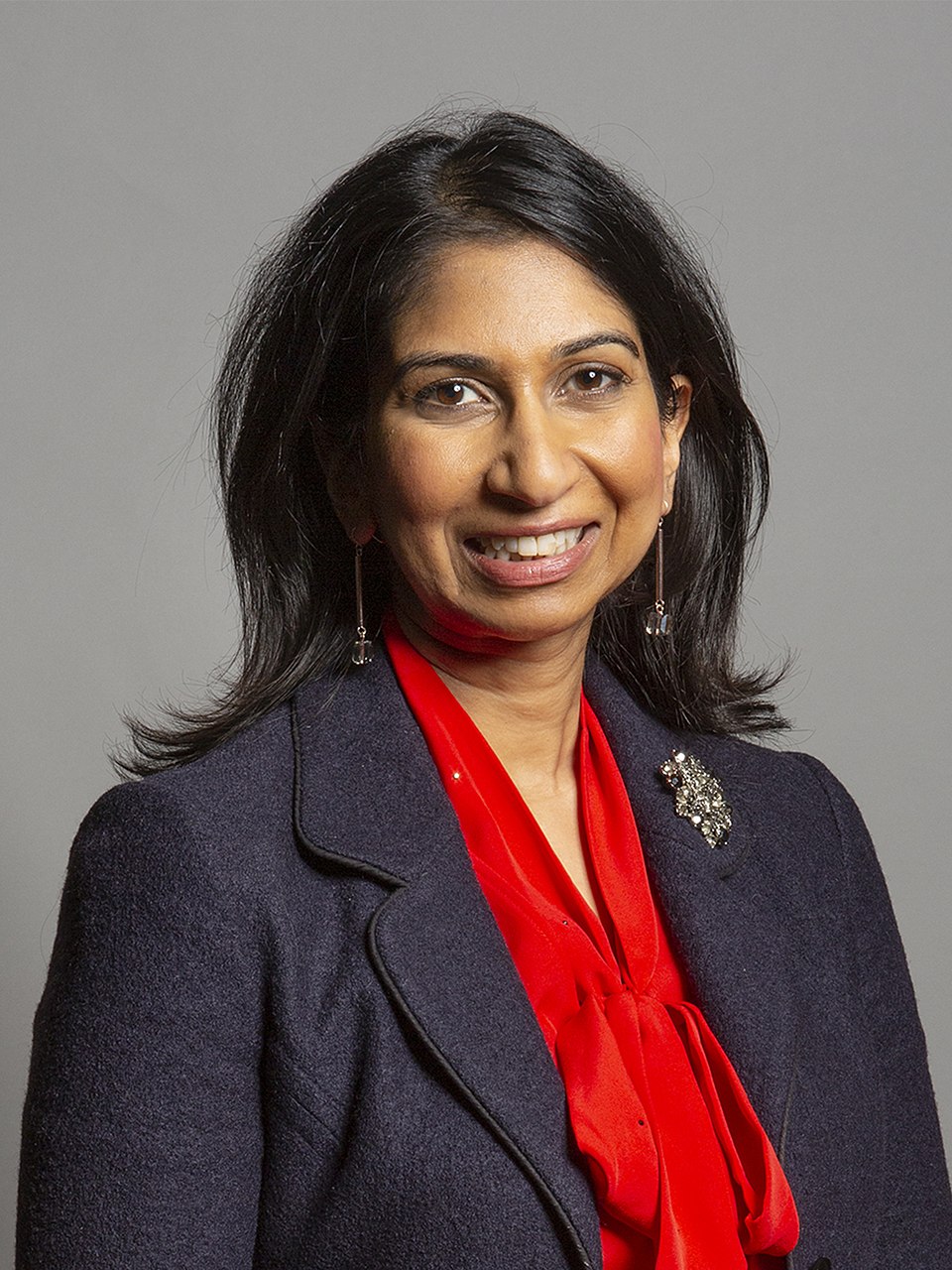
Suella Braverman
Although he has been quieter on the issue recently, there is no public indication that he has shifted position.
Suella Braverman, now Reform’s education spokesperson, has also been explicit. During the 2022 Conservative leadership contest, she stated:
“A government I lead would say yes to new grammar schools in any county that wants one (voted on at a local level).”
Braverman is also closely associated with Michaela Community School in Wembley, a non-selective free school, sometimes billed “Britain’s strictest school.”‘ Michaela is noted for its strict discipline, traditional teaching methods and high academic outcomes. While Michaela does not select by ability, its ethos, discipline, merit, academic rigour. aligns closely with the philosophical case often made for grammar schools.
Robert Jenrick, Reform’s Shadow Chancellor, previously pledged to lift the legal ban on opening new grammar schools. There is no indication that he has moderated that position since joining Reform.
Lee Anderson, now Chief Whip, has repeatedly argued that the closure of grammar schools “destroyed opportunity” for working-class children, and has criticised the comprehensive model.
It has been noted that every member of Reform’s front bench were privately educated. At the same time, the party presents itself as a champion of working-class opportunity. Voters may reasonably ask how these perspectives shape its approach to selection.Taken together, Reform’s senior figures have long-standing records of support for academic selection, or for a more explicitly stratified education system.
Beyond grammar schools: A more stratified model
Reform’s education agenda is not solely about traditional grammar schools. It also includes a strong emphasis on vocational routes and reducing university participation.
Farage and Braverman have both argued that too many young people are pushed toward university and that more should enter trades and apprenticeships. Reform has proposed that around 50% of young people should pursue vocational pathways rather than academic degrees.
On one level, this reflects a legitimate debate about the status of vocational education in England.
On another, it suggests a more clearly divided system, one in which academic and vocational pathways might be separated earlier and more explicitly than under current policy.
Combined with support for lifting the ban on new grammars, this could point toward a dual-track model: academic selection for some, vocational direction for others.
Why clarity matters
Reform has not yet published a detailed policy on the future of grammar schools. However, its leadership’s public statements consistently favour selection, stratification, and a reassertion of traditional academic hierarchies.
For communities in selective areas — and for those currently without grammars — this matters.
Would a Reform government:
-
Lift the ban on new grammar schools?
-
Encourage selective free schools?
-
Expand vocational streaming from age 14?
-
Protect existing 11-plus systems from reform?
These are not abstract questions. They shape the structure of local school systems and the experiences of primary-age children.
As Reform’s national profile grows, voters and local authorities deserve clarity on how far the party intends to reshape England’s school system around selection.
The debate about academic selection is far from settled. Reform UK’s frontbench suggests it could soon return to the centre of national politics.