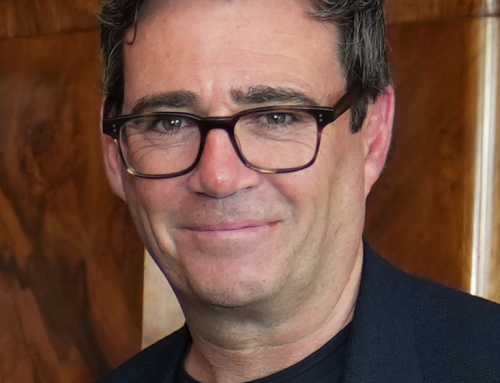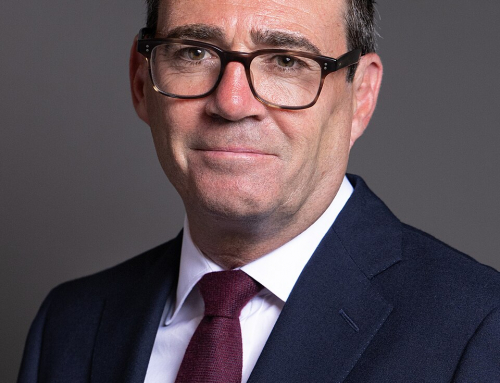
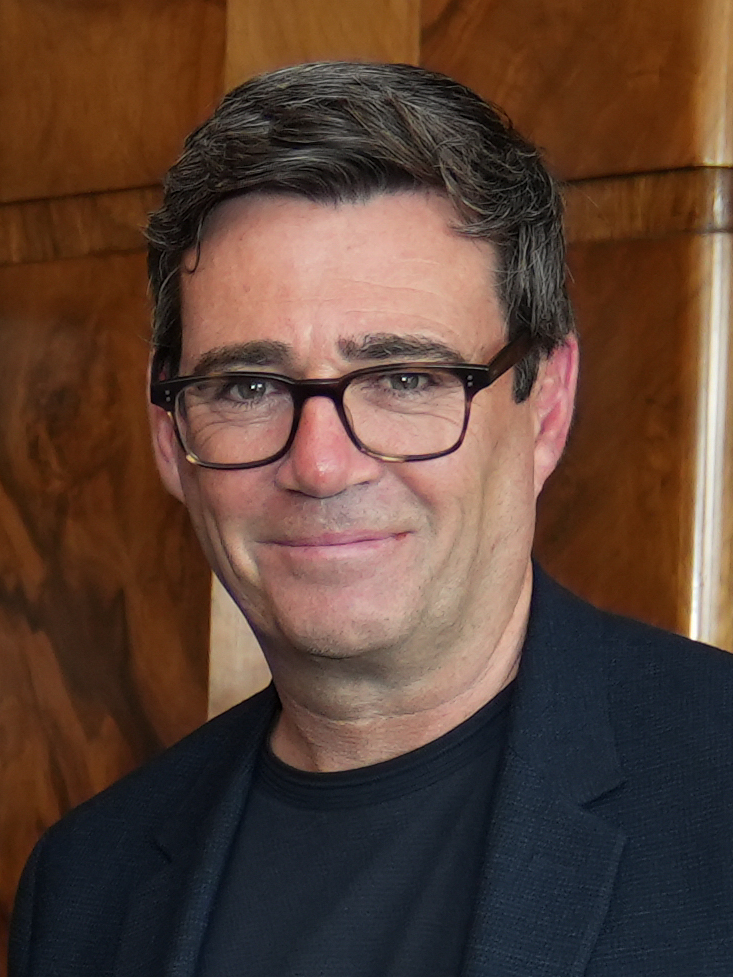
 At the Labour Party Conference today, Prime Minister Andy Burnham made an unusually clear commitment:
“We will rebuild a system of comprehensive education in this country, with parity between academic and technical.”
The words matter. Politicians frequently promise opportunity for every child without explicitly embracing the comprehensive principle behind this.
Later in the speech, Burnham paid an emotional tribute to his father, Roy. He spoke about the opportunities his father had not enjoyed himself, but which educational change made possible for his sons. The result, as Burnham put it, was:
“The son of a man who failed his 11-plus becoming Prime Minister.”
It was a powerful picture of social mobility across two generations. Roy Burnham lived under an education system that divided children at 11. “He could have gone to university himself, but times were different then so it wasn’t an option.” His son attended a comprehensive school, went on to Cambridge and ultimately reached Downing Street.
One family’s story can not be a representation of an entire school system, but it illustrates an important principle: children do not need to be selected at 11 for talent to flourish, and no child’s opportunities should be restricted by a test taken in primary school.
Comprehensive Future welcomes the Prime Minister’s commitment. But we believe that rebuilding comprehensive education must also mean confronting the selective system that continues to operate in parts of England.
If we genuinely want good pathways for every young person, we must keep opportunities open, not decide at 11 who is most likely to succeed.