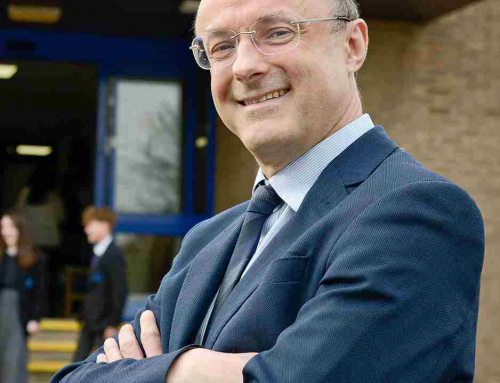
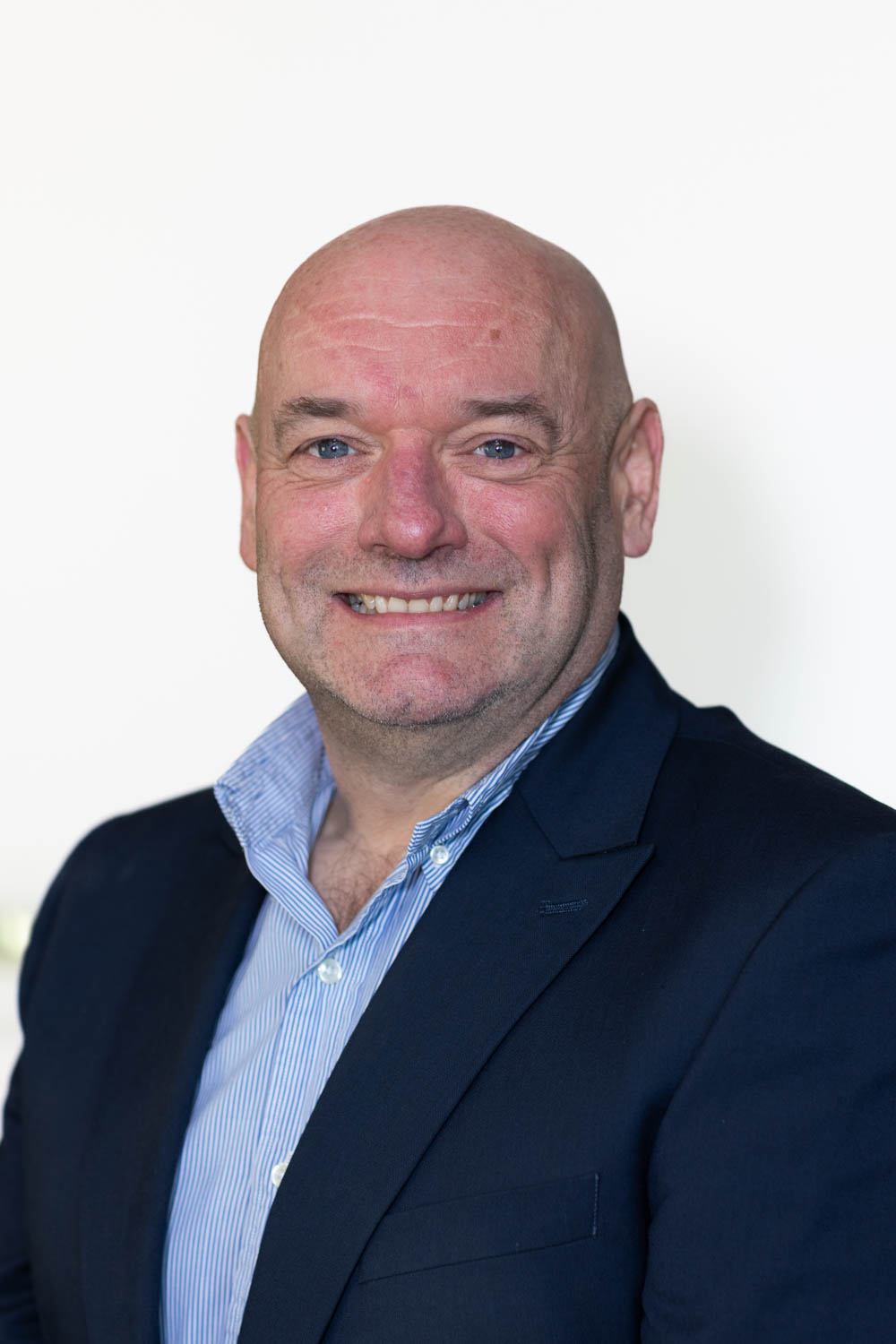
 Wayne Norrie OBE is CEO of Greenwood Academies Trust, which runs 38 schools across the East Midlands, including Skegness Academy in one of England’s remaining selective areas. His work places him on the frontline of the 11-plus system, witnessing its impact on children, families, and the wider community.
This piece is the full text of Wayne’s remarks at Comprehensive Future’s Westminster panel event in November 2025, shared here with his permission.
Good evening, and thank you for inviting me to speak.
Our trust runs 38 schools — primary, secondary and special — and two things link almost all of them: they operate in areas of very high disadvantage, and many were struggling schools when they joined us. As a trust we are currently around 60% free school meals, and some academies are as high as 80%. These are communities facing deep and persistent challenges.
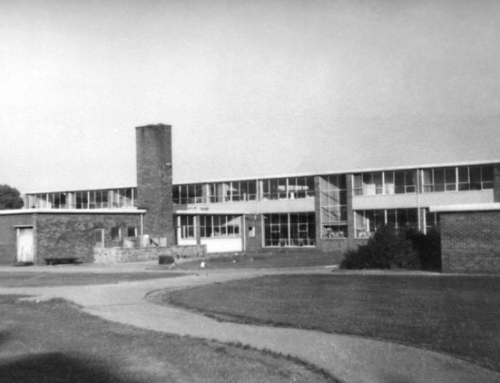
Of our nine secondary schools, only one sits within a selective education area: Skegness. For those who don’t know it, Skegness is a coastal town with two secondary schools — a grammar school and our academy. There is no special school in the town, no alternative provision. So the impact of selection is stark and immediate.
We see Year 5 children in tears over the 11-plus. They talk about waiting for their “Harry Potter letter” — the acceptance letter that feels magical if you pass, or the brown envelope if you don’t. The wording of the letter is brutally direct. By Year 6, the effects are already visible. Broadly speaking, two things happen:
Children who pass often think the job is done. They’ve achieved the “Holy Grail” of getting into the grammar school, so Year 6 doesn’t feel important.
Children who don’t pass are devastated. They carry a sense of failure that affects friendships, confidence and academic performance before they even enter secondary school.
This continues into Year 7. Our pupils will openly say, “We are here because we are failures.” In eight of our other secondary schools, you might hear one or two children say something like that. In Skegness, every child crosses the threshold believing it.