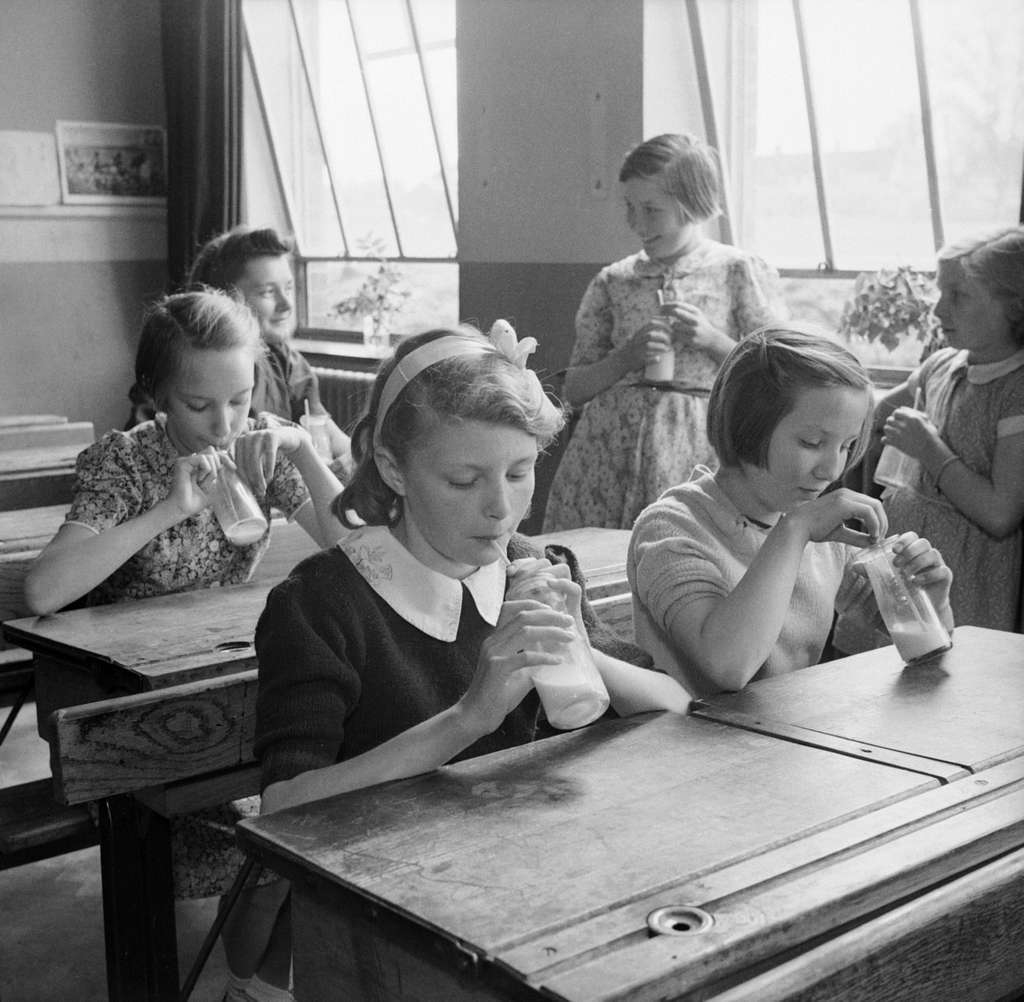
 A recent study by Amanda Lavelle of the University of Essex, uses interviews to explore how “passing” or “failing” the 11-plus still continues to shape women’s lives decades later. The research shows that the exam didn’t just sort children into schools, it shaped how they saw themselves, and where they felt they belonged. As one participant put it, “the damage had been done… I felt a failure.”
Even those who “passed” were not immune. Some described feeling out of place in grammar schools, surrounded by peers who seemed more confident or better prepared: “I never thought I was clever enough.”
The impact wasn’t only academic. Friendships were broken overnight. One woman recalled, “I lost my friends… I never saw any of them again.” Another reflected, with disbelief, that “an exam can… segregate your friendships.”
What this research makes clear is that the 11-plus in the 50s and 60s wasn’t just a test of ability. It was a powerful social divider, shaping identity, confidence, and relationships in ways that can last a lifetime. These findings echo concerns that selection continues to divide children today, academically, socially and emotionally. Selection doesn’t just separate children at 11, it can shape who they believe they are for decades.
The open access paper, ‘Belonging, Gender and Selfhood: Women’s Life History Narratives and the 11+ Exam in England and Wales, 1955–1965’ can be read in full here.